The Quiet Damage Addiction Does to the People Closest to Us
Addiction doesn’t just live in a person’s body. It moves into the spaces between people. It slips into marriages, friendships, co-parenting, business partnerships, group chats, dinner tables, and the little routines that make life feel steady. It turns everyday moments into a guessing game. It makes the people who love you start doing math in their head they never wanted to learn. One of the hardest things to explain to someone who hasn’t lived near addiction is how confusing it gets. Not just sad. Confusing. Because the person struggling can still look “functional.” They can show up. They can work. They can laugh at the right parts of the conversation. They can fold laundry and pack lunches and send emails. From the outside, it’s easy to think, “This can’t be that serious.” From the inside, the people closest to it feel something is off, and they start questioning their own instincts.
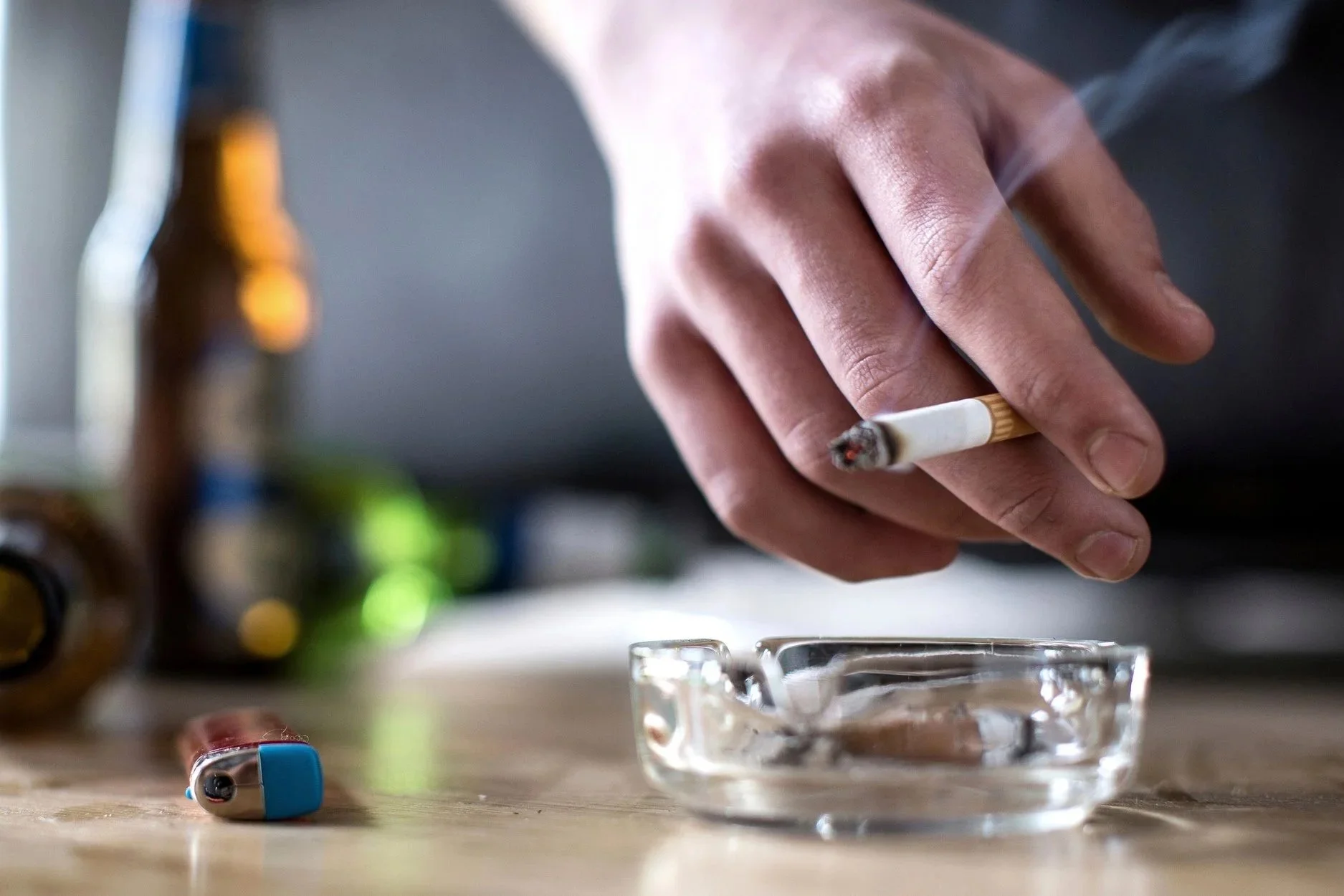
That’s where addiction really infiltrates relationships: it messes with reality. The people around it start seeing little inconsistencies. A mood that doesn’t match the moment. A reaction that feels too big or too flat. A pattern that repeats but never gets named. And when they finally ask, they often get a confident answer that doesn’t line up with what their gut is screaming. After enough of that, even strong, grounded people start doubting themselves. Am I being paranoid? Am I overreacting? Did I imagine that? Do I have the facts wrong? That’s not just lying. That’s a form of emotional distortion that makes the other person feel crazy for noticing what is real. It’s one of the most painful parts for loved ones because it forces them into an impossible position. If they push, they feel like the bad guy. If they back off, they feel complicit. If they tell someone, they feel like they’re betraying trust. If they stay quiet, they carry the anxiety alone. They end up holding a secret they did not choose.
Addiction also creates a second life. Not always in dramatic ways. Sometimes it’s subtle. A private schedule. A hidden stash. A mental countdown to the next dose. A constant background noise of planning and managing and calculating. And here’s the brutal part: the person can look present while they are not actually present. They can be in the room, but their mind is running a separate script all day long. When can I take the next one? How do I take it without anyone noticing? How do I keep this looking normal? The people closest to them feel that absence. They may not know what it is yet, but they feel it. Conversations start to feel slightly hollow. Connection feels thinner. You start missing the person even when they’re sitting right in front of you. And then you blame yourself for feeling that way, because you can’t prove it.
Addiction has an arrogance to it that doesn’t always look like arrogance. It can sound like confidence. “I have this under control.” “It’s prescribed.” “I’m in pain.” “I’m not hurting anyone.” “I’m still functioning.” It’s a story that keeps the door cracked open just enough to keep the substance in the house. And that story is convincing, especially when the person has years of stability behind them, a reputation, a role they’re proud of, or people who look up to them. But addiction doesn’t care how smart you are. It doesn’t care how successful you are. It doesn’t care that you’re a good parent or a loyal friend or a hard worker. It doesn’t care that you have a public identity built around being “the strong one.” If anything, those identities can make it harder to come clean, because the fear becomes: If people know, I lose everything. Respect. Trust. The image. The thing I’m proud of.
That fear is where secrets multiply. And secrets are expensive. They cost sleep. They cost peace. They cost honesty. They cost connection. They turn someone into a stranger in their own home. They make you afraid of your own journal, afraid of your own thoughts, afraid of being found out. They make you lonely even when you’re surrounded by people who love you.
Here’s the part I want to say clearly: the people who love someone struggling with addiction don’t need perfection from them. They need reality. They need the truth sooner than later. Because once reality gets warped, trust doesn’t break in one big moment. It erodes in a thousand small ones. And repairing that trust starts with the bravest, most simple sentence a person can say: “I need help.” That sentence is humility. It’s also love. Not just for yourself, but for the people around you who have been carrying the uneasiness, the doubt, the second-guessing, and the silent fear.
At Livewell, we don’t treat addiction like a moral failure. We treat it like the real, relentless condition it is. A condition that affects the nervous system, the reward system, decision-making, and impulse control. A condition that can make someone do things they never would do in their right mind. And we treat the ripple effects too. The anxiety in the spouse or partner. The hypervigilance in the friend. The grief of realizing, “I’ve been living next to something I couldn’t name.” If you’re the person struggling, this is your reminder: the fallout you fear from honesty is often smaller than the pain created by secrecy. If you’re the person who loves someone struggling, this is your reminder: your gut matters. You’re not crazy for noticing patterns. You’re not wrong for wanting clarity. And you’re not alone for feeling exhausted by the ambiguity.
Addiction thrives in isolation. Recovery thrives in connection.
If you need support, we can help you build a plan that includes medical safety, accountability, therapy, and real-world tools to protect the relationships that matter most. Because recovery is not just “stopping.” It’s returning to yourself and returning to the people who have been waiting for you to come back.