Children, Sports, and the Developing Mind
Nowhere is physical activity more important than during childhood and adolescence. The teenage brain is still under construction, particularly the prefrontal cortex, which governs impulse control, emotional regulation, and long-term planning. Sports provide a structured environment where these skills are practiced daily without being labeled as therapy.
Take football. Football teaches accountability in a way few activities can. You miss your assignment, and the play falls apart. You skip practice, and your conditioning shows. The feedback is immediate and public but also contained within a team structure that emphasizes responsibility to something larger than yourself. For adolescent boys especially, football offers an outlet for physical energy while teaching emotional regulation under pressure. You learn how to manage frustration, channel aggression appropriately, and recover after mistakes. These are life skills, not just athletic ones.

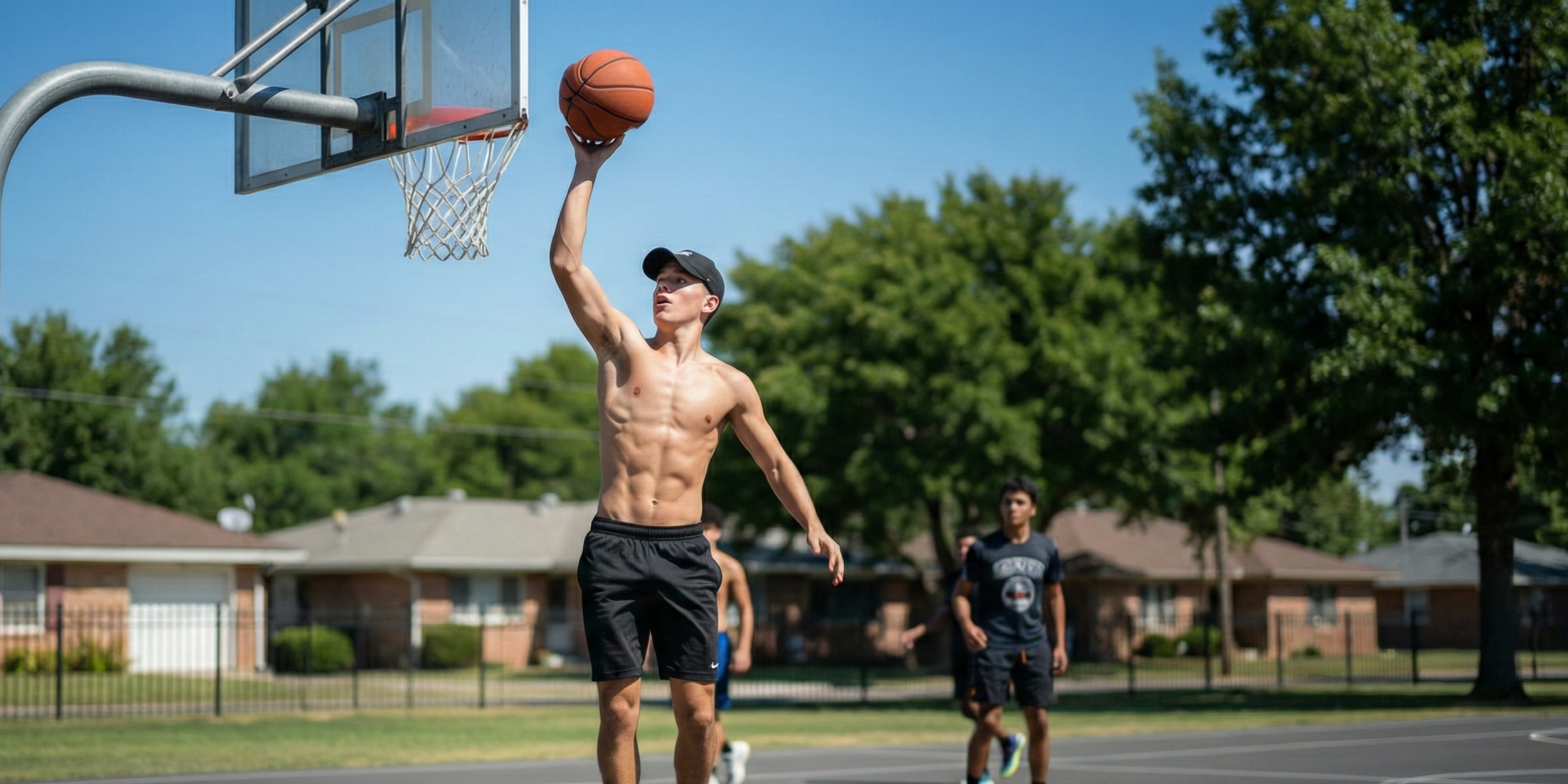
Basketball reinforces spatial awareness, quick decision-making, and emotional composure. You are constantly reading the floor, adjusting to teammates, and responding to rapidly changing situations. Emotional swings happen fast in basketball. Learning to reset after a missed shot or a bad call is emotional regulation training in real time.
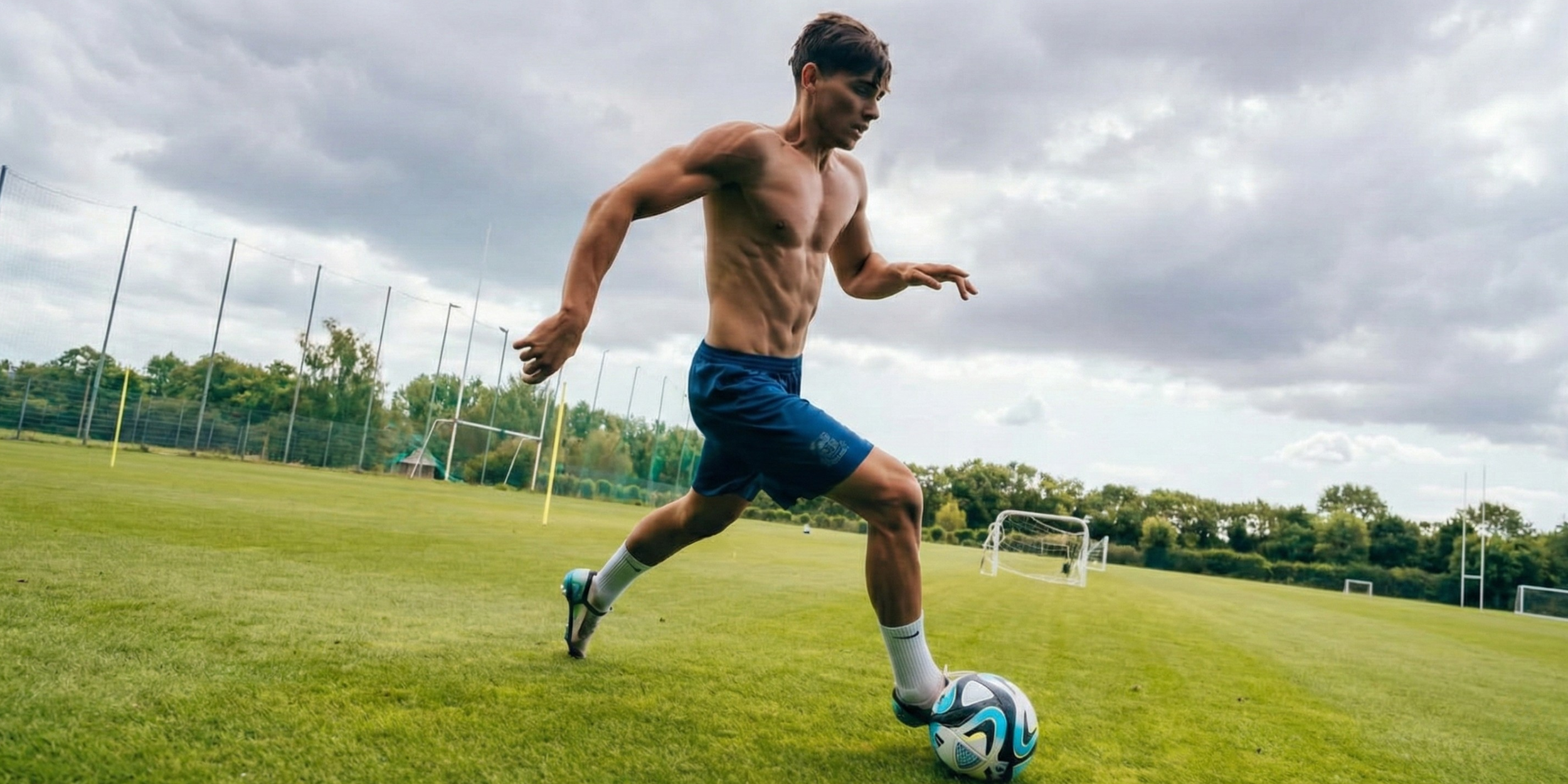
Soccer emphasizes endurance, teamwork, and delayed gratification. You can run for long stretches without touching the ball, yet your role still matters. This teaches patience and persistence, two traits that are increasingly rare and incredibly valuable later in life.
Cross country, though quieter, builds mental toughness in a different way. It teaches children how to be alone with discomfort, how to pace themselves, and how to trust their own internal signals. That ability to tolerate distress without panic is foundational for adult mental resilience.
Across all sports, children learn how to lose, how to win without arrogance, how to take instruction, and how to function within a system. They learn that emotions are not something to eliminate, but something to manage while still performing a task. That lesson carries forward into adulthood, into relationships, careers, and personal identity.