

Zoloft for Depression and Anxiety in Oregon and Washington
Depression and anxiety treatment available throughout the Pacific Northwest
Zoloft Timeline: Buckle Up, This Takes a Minute
SSRIs are a marathon, not a sprint. Side effects show up before benefits do.
The Suck Zone
Nausea, sleep weird,
stomach unhappy
Benefits? Zero.
This is NORMAL.
Hang in there.
Getting Better
Side effects calming
Small improvements starting to show
Finally!
Real benefits
Depression/anxiety
actually improving
Worth the wait?
Usually yeah.
WHY SO SLOW?
Your brain needs time to adjust to having more serotonin available.
It’s rebalancing systems, not flipping a switch.
Annoying? Yes. Normal? Also yes.
BUCKLE UP, THIS TAKES A MINUTE
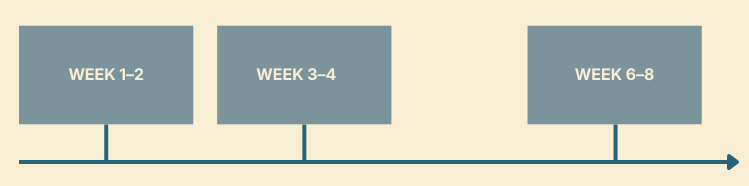
SSRIs are a marathon, not a sprint. Week 1-2 = side effects with zero benefits (the suck zone). Week 3-4 = things start improving. Week 6-8 = actually working. Annoying? Yes. Normal? Also yes. Your brain needs time to rebalance, not flip a switch.
What It Is
Zoloft, also known as sertraline, is an SSRI (selective serotonin reuptake inhibitor). It's FDA approved for depression, various anxiety disorders, OCD, PTSD, panic disorder, and premenstrual dysphoric disorder. It's one of the most commonly prescribed antidepressants because it tends to work well for a lot of people and most folks tolerate it reasonably well.
You'll usually take it once daily, either as tablets or liquid. Unlike stimulants, this isn't a controlled substance and you're not going to feel it working right away. That's just not how these medications function.
What It Does
Zoloft helps regulate your brain's serotonin system, which is involved in mood, anxiety, sleep, and a bunch of other important functions. If you're depressed or dealing with significant anxiety, your serotonin system probably isn't working efficiently. Zoloft helps correct that imbalance over time.
This is not a happy pill. It's not going to make you feel euphoric or give you some artificial high. What it does, when it works, is turn down the volume on the constant background noise of depression or anxiety enough that you can actually function and engage with your life instead of just white-knuckling through every single day.
How It Works
SSRIs block the reuptake of serotonin in your brain. Serotonin is a neurotransmitter (basically a chemical messenger) that your brain releases and then vacuums back up to recycle. If you're depressed or anxious, that system isn't working properly. By blocking the reuptake process, Zoloft keeps more serotonin available in the spaces between neurons, which helps regulate mood and anxiety over time.
The key phrase there is "over time." This isn't instant relief. Your brain needs several weeks to adjust to having more serotonin available and to start compensating for whatever's been off in your system.
What It Feels Like When It's Working
When Zoloft is working, you won't wake up one morning thinking "wow, I feel incredible." What you'll notice is that things gradually start feeling less heavy. The constant dread or worry that's been your baseline begins to quiet down. Tasks that felt completely impossible become just regular tasks you can actually handle. You might realize you made it through an entire day without spiraling, or that you're sleeping better, or that normal everyday stress doesn't send you into a complete tailspin anymore.
Depression and anxiety create this constant static in your brain that makes everything harder. When Zoloft works, that static gets quieter. You're not suddenly ecstatic about life, you're just not constantly miserable or panicked. You have access to your full range of emotions instead of being stuck at the heavy or terrified end of the spectrum.
Some people describe it as feeling more like themselves again. Others say it's like someone turned down the volume on the worst parts of their internal experience. It's subtle, and you might not even notice the change until you look back and realize you're functioning significantly better than you were a month or two ago.
Common Side Effects
The first few weeks can be rough. Nausea is extremely common when you start Zoloft or when your dose gets increased. Taking it with food helps, but it still might suck for a bit. Some people get diarrhea or other digestive issues. These usually improve after the first couple of weeks, but they're genuinely unpleasant while they last.
Sleep changes are common and can go either direction. Some people have trouble falling asleep, others feel more tired than usual. This often evens out over time but it can persist for some folks.
Sexual side effects are the elephant in the room that nobody wants to discuss but absolutely should. Decreased libido, difficulty with arousal, delayed or absent orgasm, erectile dysfunction. These are common with SSRIs and Zoloft is no exception. For some people it's mild and manageable. For others it's significant enough to make them want to stop the medication entirely. This is worth having an honest conversation about before you start, not after you've been dealing with it miserably for six months while hoping it'll magically improve.
Increased sweating is weirdly common with Zoloft. You might just be sweatier than usual for no apparent reason, especially at night.
Headaches can happen, particularly when you're starting or adjusting your dose. Weight changes are possible. Some people lose weight initially from the nausea, others gain weight over time. This varies widely from person to person and isn't entirely predictable.
Some people feel emotionally blunted on SSRIs. You're not depressed anymore, but you're also not really feeling much of anything. If this happens, it's worth discussing because the goal is to feel better, not to feel nothing at all.
Rarely, SSRIs can increase anxiety or cause agitation when you first start them, especially in younger people. If you feel significantly worse or start having thoughts of self-harm after starting Zoloft, contact your provider immediately. This is not something to wait out or push through.
What It Looks Like When It's Not Working
If Zoloft isn't working for you, you're still depressed or anxious after giving it a legitimate trial (usually six to eight weeks at a therapeutic dose). You're still struggling with the same symptoms that brought you to treatment in the first place. Or maybe it helped for a while but then seemed to stop working over time.
Sometimes the dose is too low and needs adjustment. Sometimes Zoloft just isn't the right SSRI for your particular brain chemistry. Different SSRIs work slightly differently despite being in the same class, and you might respond much better to Prozac or Lexapro or something else entirely.
Sometimes SSRIs aren't the right class of medication for you at all. If you've tried multiple SSRIs without success, your provider might look at other options like SNRIs, Wellbutrin, or different medication classes altogether.
If the side effects are so rough that any benefit gets completely overshadowed by feeling terrible, that's also a clear sign it's not working for you.
Timeline for Noticing Effects
This is where people get frustrated and sometimes give up too soon. Zoloft takes time to work. You might start feeling some side effects within the first few days, but you won't feel the actual therapeutic benefits for two to four weeks minimum. For some people it takes six to eight weeks to see full effect.
The timeline usually goes something like this: Weeks one and two, you might actually feel worse because the side effects kick in before any benefits appear. Weeks three and four, side effects usually start calming down and you might notice small improvements in your mood or anxiety. Weeks six to eight, this is when you should be seeing real benefit if Zoloft is going to work for you.
Your provider will usually start you at a low dose, often 25mg or 50mg, and increase over time to find the right dose for you. The typical therapeutic range is 50mg to 200mg daily, but everyone's different and some people need higher or lower doses.
If you're at a therapeutic dose for eight weeks and you're not seeing any meaningful improvement, Zoloft probably isn't the right medication for you.
Real Talk About Antidepressants in the Pacific Northwest
SSRIs get a bad reputation, and honestly some of it is deserved. They're overprescribed. They get handed out without adequate therapy or lifestyle changes to back them up. They don't work for everyone. But for a lot of people dealing with depression or anxiety in Portland, Eugene, Salem, Bend, Spokane, Vancouver, or anywhere else around here, they're genuinely helpful and sometimes legitimately life-saving.
Zoloft isn't a shortcut to happiness. It's not going to fix your terrible job, your dysfunctional relationship, or the fact that you never learned healthy coping skills. What it can do is quiet things down enough that you can actually work on those things instead of being completely paralyzed by depression or anxiety.
Sexual side effects are real, common, and a lot of providers don't adequately discuss them upfront. If your sex life matters to you (and it should), have that conversation before you start taking this. Sometimes these side effects improve over time, sometimes they don't. There are strategies to manage them, and there are other medications that don't carry the same sexual side effects.
You cannot just stop taking Zoloft cold turkey. If you decide you want to come off it, you need to taper slowly under medical supervision. Stopping suddenly can cause discontinuation syndrome, which includes brain zaps (yes, that's the actual term), dizziness, irritability, and flu-like symptoms. It's genuinely miserable and completely avoidable by tapering properly.
Some people take Zoloft for a few months, feel significantly better, and successfully taper off. Others need it long-term to manage chronic depression or anxiety. Neither of those scenarios is wrong or shameful. Depression and anxiety are often chronic conditions, and taking medication for a chronic condition is not a moral failing or a sign of weakness.
You'll hear people say SSRIs made them feel like zombies or fundamentally changed their personality. That can happen if the dose is wrong or if SSRIs just aren't right for that person's brain chemistry. But for most people who respond well to Zoloft, it doesn't flatten you out or turn you into someone else. It just makes it possible to feel things normally instead of being overwhelmed by depression or drowned by anxiety.
Depression and Anxiety Treatment Throughout Oregon and Washington
LiveWell Psychiatry and Men's Health provides comprehensive mental health care for patients throughout Oregon and Washington, including the Portland metro area, Vancouver and Clark County, Salem, Eugene, Corvallis, Bend, Medford, the Tri-Cities, Spokane, and surrounding communities. We're based in Vancouver, Washington, right across the river from Portland.
If you're dealing with depression, anxiety, or both, we can evaluate whether Zoloft or another treatment approach makes sense for your specific situation. We prescribe SSRIs when they're genuinely appropriate and likely to help. We also don't assume they're automatically the answer for everyone who walks in feeling depressed or anxious. Good mental health treatment is about finding what actually works for you, not just throwing medication at the problem and hoping for the best.
Zoloft is a tool, not a cure and definitely not one-size-fits-all. But for a lot of people, it's the tool that makes it possible to do the actual work of recovery instead of just surviving. The work is still yours to do, but at least you're not trying to do it while drowning.