
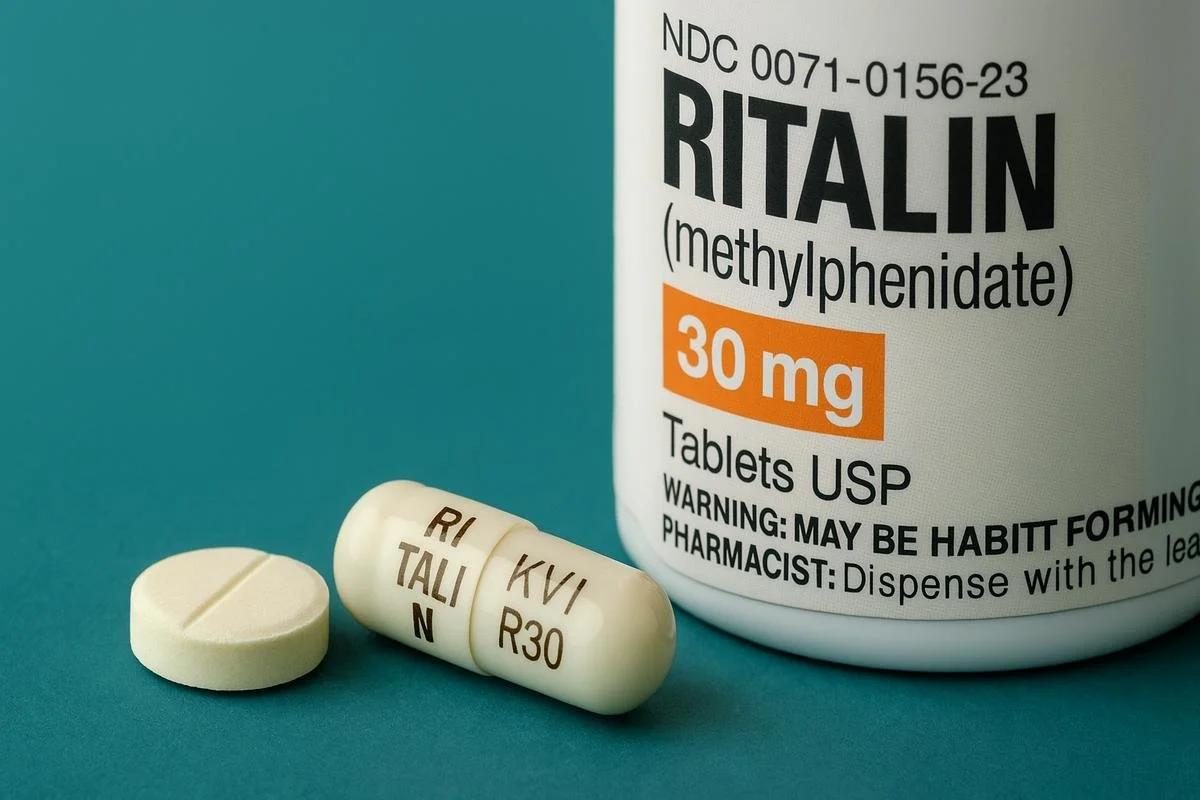
Ritalin and Methylphenidate for ADHD in Oregon and Washington
ADHD medication management available throughout the Pacific Northwest
Ritalin: The Reuptake Blocker (aka the Cork in the Drain)
Blocks reuptake ONLY. Doesn’t boost release. Many people find it feels “cleaner.”
NORMAL BRAIN
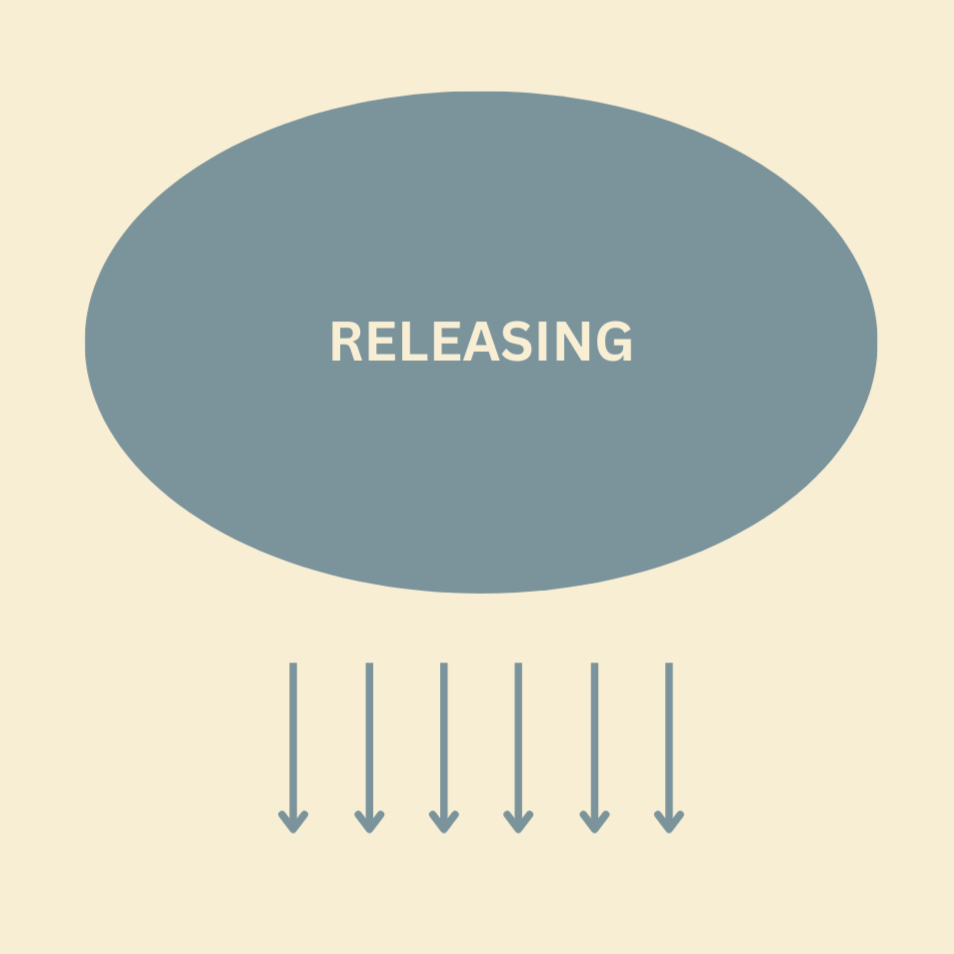
Getting vacuumed back up immediately
= Not enough time to do their job
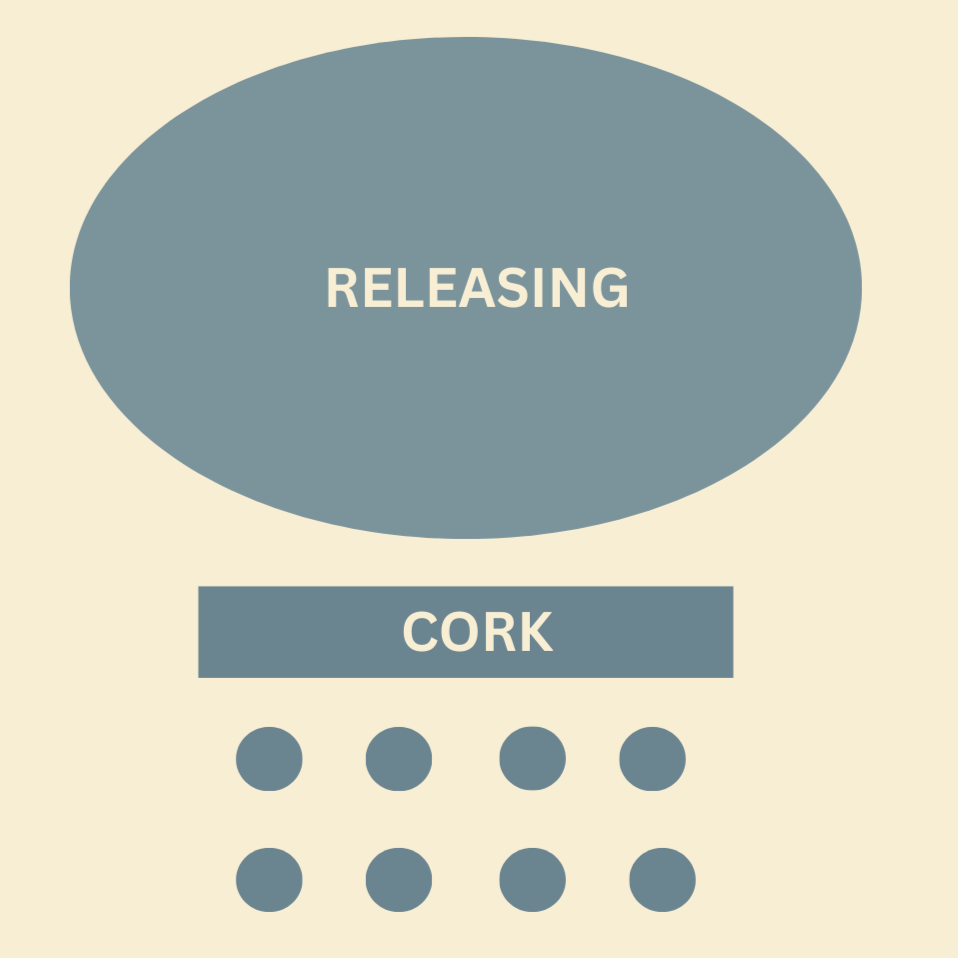
Ritalin blocks reuptake
= Neurotransmitters hang around doing their job
RITALIN BRAIN
WHY IT FEELS DIFFERENT FROM ADDERALL
No extra release = less speedy feeling. Just blocks the drain.
Same job (more neurotransmitters available), different method.
CORK IN THE DRAIN
Ritalin blocks reuptake ONLY - it's the cork stopping your brain from sucking neurotransmitters back up too fast. Doesn't boost release like Adderall. Same job (more available), different method. Many people find it feels 'cleaner' with less speedy vibes.
What It Is
Ritalin, also known as methylphenidate, has been around since the 1950s. It's FDA approved for ADHD and narcolepsy, and it's a Schedule II controlled substance just like Adderall. While Ritalin and Adderall are both stimulants, they work differently enough in your brain that some people respond way better to one versus the other. There's really no good way to predict which one you'll do better on until you actually try it.
You'll see methylphenidate prescribed in several different formulations. Immediate release Ritalin lasts about three to four hours. Sustained release (Ritalin SR) goes for six to eight hours. Extended release versions (Ritalin LA) are designed to cover around ten to twelve hours. It's all about finding what actually works with your schedule and your particular brain chemistry.
What It Does
If you've got ADHD, your brain's reward and attention systems aren't regulating properly. You're bouncing between a thousand different thoughts while everyone else is cruising along at a much more reasonable pace. Methylphenidate increases dopamine and norepinephrine availability, which helps you actually focus on one thing at a time instead of starting seventeen things and finishing exactly none of them.
It doesn't change who you are as a person, but it does help you access the executive function skills that have been buried under constant noise and distraction your whole life.
How It Works
Methylphenidate blocks the reuptake of dopamine and norepinephrine. Your brain is releasing these neurotransmitters to help regulate attention and behavior, but they're getting vacuumed back up way too fast. Ritalin slows that process down, which means more dopamine and norepinephrine stay available where they're actually supposed to be doing their job.
It's a slightly different mechanism than amphetamines like Adderall or Vyvanse. Those medications both block reuptake and increase the release of neurotransmitters. Methylphenidate just blocks the reuptake. For some people that difference matters a lot, for others it doesn't make much of a difference at all. Brains are weird like that.
The immediate release version hits fast and wears off fast. The extended release versions use different delivery systems to stretch the effect out over your day. It's all about finding what works with your life and your brain.
What It Feels Like When It's Working
When Ritalin is working, it's like someone finally turned down the volume on all the background noise that's been running constantly in your head. You can actually sit down to do something and do it, instead of staring at it while your brain takes off in forty different directions. Conversations become easier because you're not losing track of what's being said every thirty seconds and desperately trying to catch back up.
The effect with immediate release is pretty quick. You'll usually notice within twenty to thirty minutes that focusing is easier and tasks don't feel quite so impossible. The long-acting versions are more gradual but you'll still notice when they're working.
This medication won't suddenly transform tedious tasks into exciting adventures or magically cure your depression and anxiety. What it will do is let you actually tackle the boring stuff that needs doing without spending two hours staring at your laundry pile while your brain convinces you that literally anything else is more urgent right this second.
Some people describe methylphenidate as feeling cleaner than amphetamines. Less physical stimulation, more mental clarity. Others find it doesn't hit as strongly and prefer the amphetamine options. There's no right or wrong here, just what works for your particular brain.
Common Side Effects
The usual lineup. Decreased appetite (you won't feel hungry and eating becomes something you have to remember to do instead of something you want to do), trouble sleeping if you take it too late in the day, dry mouth, headaches. These are most noticeable when you're first starting or when your dose gets adjusted.
Don't skip meals just because you're not feeling hungry. Your body still needs fuel and running on empty while taking stimulants will trash your ability to focus, wreck your mood, and generally make everything worse. Plus, nobody functions well when they're hangry, including you.
Sleep problems are real, especially with the longer-acting versions. If you're taking your last dose after two in the afternoon and you're still wide awake at midnight staring at the ceiling, that's a timing issue that needs fixing. Most people do better keeping methylphenidate to morning and early afternoon.
Some people experience jitteriness or feeling overstimulated, particularly if the dose is too high. Mood changes happen too. Irritability when it wears off, feeling emotionally flat while it's actively working. Worth keeping track of and discussing with whoever's prescribing it.
Heart rate and blood pressure can increase on methylphenidate. If you've got heart issues, this needs to be monitored regularly.
Some people develop tics or notice their existing tics get worse on Ritalin. This is more common in kids but it can happen in adults too. Stomach issues like nausea or stomach pain can show up, especially when you're first starting.
What It Looks Like When It's Not Working
If Ritalin isn't working, you'll know pretty quickly. You're still scattered all over the place, still struggling to focus on anything, still drowning in tasks that should be totally manageable. Or maybe the side effects are rough enough that any benefit gets completely buried under feeling like garbage.
Sometimes the dose is wrong. Too low and nothing happens at all. Too high and you're anxious, overstimulated, feeling wrong. Sometimes the formulation is the problem. Maybe you need shorter-acting doses you can take multiple times throughout the day instead of one long-acting dose, or the other way around.
Sometimes methylphenidate just isn't the right fit for your brain. Some people do amazing on Ritalin but feel terrible on Adderall. Some people have the exact opposite experience. There's really no way to know except trying it and seeing what happens.
If you're consistently taking it and not seeing any improvement, or if the side effects are making things worse instead of better, that information matters. Don't just sit there suffering through it hoping it'll magically get better, because it won't.
Timeline for Noticing Effects
Ritalin works fast compared to other psychiatric medications. The immediate release version usually kicks in within twenty to thirty minutes, peaks around sixty to ninety minutes, and wears off in three to four hours. You should know by the end of the first day whether it's doing anything useful.
Extended release versions take a bit longer to kick in but they're designed to last through your day, usually maintaining effect for eight to twelve hours depending on the formulation.
You don't need to wait weeks to see if stimulants work. They either work the day you take them or they don't. That's completely different from antidepressants where you're waiting six to eight weeks to see if you won the medication lottery. Finding the right dose of methylphenidate takes time because most providers will start low and increase gradually over several weeks, but you'll know pretty quickly if you're at least in the right ballpark.
If you're a week in and noticing absolutely zero difference in your ability to focus or function, either the dose is too low or Ritalin isn't the right medication for you.
Real Talk About Methylphenidate in the Pacific Northwest
Ritalin's been around forever, which means it's well studied and generally well tolerated. It also means there are about a million different formulations and generic manufacturers out there, which can be both good and bad. Good because you've got options. Bad because not all generics are created equal, and sometimes switching from one generic manufacturer to another can feel like switching medications entirely. It's weird, but it happens.
The short duration of immediate release Ritalin is annoying if you hate taking medication multiple times a day. It's easy to miss a dose and then you're stuck dealing with ADHD symptoms for the rest of the afternoon. But for some people, the ability to control when they're medicated and when they're not is worth the hassle of multiple daily doses. You can take it on workdays and skip it on weekends if that works better for your life.
Longer-acting versions are way more convenient but they're less flexible. Once you take extended release Ritalin in the morning, you're committed to ten to twelve hours of medication coverage. You can't turn it off halfway through if you decide you want a break or if you're done with what you needed to focus on.
Like all stimulants, you'll build tolerance over time. This doesn't mean the medication stops working. It means the initial intense feeling fades, which is completely normal and expected. The goal is sustained improvement in your ability to actually function, not chasing some kind of high or buzz.
Insurance can be a pain in the ass with methylphenidate, especially the newer extended release formulations. Generic immediate release methylphenidate is dirt cheap. The brand-name extended release versions definitely are not. If cost is a major issue, talk about your options instead of just not taking your medication because you can't afford it.
Some people abuse Ritalin, which makes it significantly harder for people who actually need it to get it prescribed without jumping through a thousand hoops. The scrutiny you face when getting stimulants isn't personal, it's the fallout from years of recreational abuse and the DEA treating everyone like they're one bad decision away from becoming a cautionary tale.
If you're at Western Oregon University, Central Washington University, Portland Community College, Chemeketa, or really any college in Oregon or Washington, you've probably seen people selling their pills during finals week or midterms. That's exactly why people who legitimately need this medication to function have to prove they're not just looking to get high or sell it. Don't be part of the problem.
ADHD Treatment at LiveWell Psychiatry in Oregon and Washington
LiveWell Psychiatry and Men's Health provides ADHD evaluation and medication management for patients throughout Oregon and Washington, including the Portland metro area, Vancouver and Clark County, Salem, Eugene, Corvallis, Bend, Medford, Spokane, the Tri-Cities, and surrounding communities. We're actually based in Vancouver, Washington, even though we're technically part of the Portland metro area and see more Oregon patients than Washington patients most weeks. Geography is weird sometimes.
If you're trying to manage ADHD while juggling classes at Whitman, Reed College, Pacific University, or anywhere else around here, or if you're just trying to stay functional at work and in your daily life, we can evaluate whether methylphenidate or another treatment approach makes sense for your situation.
We don't hand out stimulant prescriptions like they're candy. They're controlled substances for a reason, and that reason is that people abuse them constantly. We also don't make people who genuinely need medication prove themselves twelve different ways just to get treatment. Good ADHD care exists somewhere between those two extremes.
Ritalin is a tool, not a cure and definitely not a magic solution. It's not going to fix everything that's hard about having ADHD. But for a lot of people, it makes the difference between barely keeping your head above water and actually being able to function in daily life without everything feeling impossible all the time. If that sounds like something you need, do something about it. Preferably before you get distracted and it falls off your radar.