
Prozac (Fluoxetine) in Portland, Vancouver, and Across Oregon and Washington
Depression and anxiety medication available throughout the Pacific Northwest
Prozac: The OG SSRI (Since 1987)
First blockbuster antidepressant.
Still around because it works.
The Prozac Superpower: CRAZY Long Half-Life
MOST SSRIs
Out of your system:
3–5 DAYS
Miss a dose?
Brain zaps
Withdrawal starts fast
Feel like garbage
PROZAC
Out of your system:
4–6 WEEKS
Miss a dose?
Probably fine
Still in your system
Gentler withdrawal
THE TRADEOFF:
GOOD: Forgiving if you miss doses. Easier to stop (milder withdrawal).
BAD: Takes FOREVER to leave if you have side effects or want to switch.
Also takes longer to reach full effect. Patience required.
THE OG SSRI WITH A SUPERPOWER
Prozac's been around since 1987. Its secret weapon? Insanely long half-life (4-6 weeks). Miss a dose? Probably fine, it's still in your system. Want to stop? Gentler withdrawal than other SSRIs. Downside? Takes FOREVER to leave if you have side effects. Patience required.
What It Is
Prozac is fluoxetine, an SSRI that's been around since the late 80s. FDA approved for depression, OCD, panic disorder, bulimia nervosa, premenstrual dysphoric disorder. It was one of the first SSRIs on the market and became famous (and infamous) as the poster child for antidepressants. Everyone's heard of Prozac even if they've never taken it.
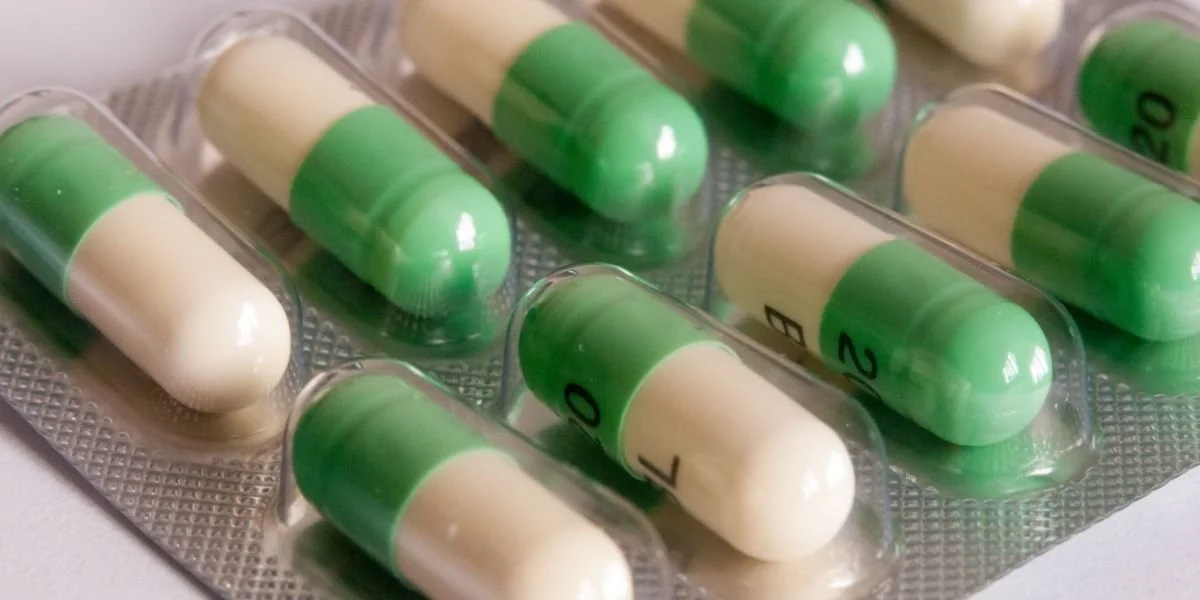
Comes in capsules, tablets, liquid. Usually taken once daily. What makes Prozac different from other SSRIs is its long half life. Stays in your system for weeks after you stop taking it.
What It Does
Helps regulate your brain's serotonin system. Serotonin is involved in mood, anxiety, sleep, appetite, other functions. If you're depressed, anxious, dealing with OCD, your serotonin system isn't working efficiently. Prozac helps correct that imbalance over time.
Not going to make you artificially happy or change who you are as a person. What it does, when it works, is turn down the volume on depression and anxiety so you can function. Makes it possible to engage with your life instead of white knuckling through every day.
How It Works
Like other SSRIs, Prozac blocks the reuptake of serotonin. Your brain releases serotonin (chemical messenger involved in mood regulation) and then vacuums it back up for recycling. If you're depressed or anxious that system is off. Blocking the reuptake process keeps more serotonin available in the spaces between neurons, helps regulate mood over time.
Unique thing about Prozac is its half life. Most SSRIs leave your system in a few days. Prozac takes weeks. Can be good (fewer withdrawal symptoms if you miss a dose or stop taking it) or bad (takes longer to clear your system if you have side effects or want to switch medications).
What It Feels Like When It's Working
Not a lightbulb moment. It's gradual. You'll start noticing things feel less overwhelming. Constant weight of depression starts to lift. Anxiety becomes more manageable instead of running the show. You might realize you made it through a week without falling apart or that you're actually enjoying things again instead of just going through the motions.
Depression and anxiety create constant background noise that makes everything harder. When Prozac works, that noise gets quieter. You're not suddenly ecstatic about life, you're just not drowning anymore. You have access to full range of emotions instead of being stuck in the miserable end of the spectrum.
Some people describe it as feeling like themselves again after months or years of feeling like a stranger in their own head. Not about becoming someone new, about getting back to baseline function.
Side Effects
First few weeks can be rough. Nausea is extremely common when you start or increase dose. Taking it with food helps. GI issues, diarrhea, stomach upset, also common but usually improve after first couple weeks.
Sleep changes can go either way. Some people have trouble sleeping, others feel more tired. Often evens out over time but can persist.
Sexual side effects are the elephant in the room. Decreased libido, difficulty with arousal, delayed or absent orgasm, erectile dysfunction. Common with all SSRIs and Prozac is no exception. For some people it's mild. For others significant enough to make them want to stop the medication. Worth discussing openly before starting.
Headaches can happen especially when starting. Increased sweating is weirdly common with Prozac. You might just be sweatier than usual for no apparent reason.
Weight changes are possible. Some people lose weight initially (usually from nausea), some gain weight over time. Varies widely person to person.
Emotional blunting is something some people experience on SSRIs. You're not depressed anymore but you're also not really feeling much of anything. If this happens, talk about it. Goal is to feel better not to feel nothing.
Rarely SSRIs can worsen anxiety or cause agitation when you first start, particularly in younger people. If you feel significantly worse or have thoughts of self harm after starting Prozac, contact your provider immediately.
When It's Not Working
Still depressed or anxious after giving it a fair trial, usually 6 to 8 weeks at therapeutic dose. Still struggling with same symptoms that brought you to treatment. Or maybe it helped initially but stopped working over time.
Sometimes dose is too low. Typical range is 20 to 80mg daily but some people need more or less. Sometimes Prozac just isn't the right SSRI for your brain. Different SSRIs have slightly different effects and you might respond better to Zoloft, Lexapro, something else.
Sometimes SSRIs as a class don't work for you and your provider needs to look at other medication options like SNRIs, Wellbutrin, different classes entirely.
If side effects are so rough that any benefit gets buried under feeling miserable, that's also a sign it's not the right fit.
Timeline
Prozac takes time. Frustrates people but it's how these medications work. You might notice side effects within first few days but actual therapeutic benefits take weeks.
Timeline usually goes like this: Week 1 or 2, you might feel worse (side effects kicking in without any benefit yet). Weeks 3 or 4, side effects start improving and you might notice small changes in mood or anxiety. Weeks 6 to 8, this is when you should see real improvement if Prozac is going to work for you.
Because of Prozac's long half life it can take longer to reach steady state in your system and longer to see full effect. Your provider will usually start at 20mg and adjust from there based on response.
If you're at therapeutic dose for 8 weeks and not seeing improvement, Prozac probably isn't the right medication.
Real Talk
Prozac has a complicated reputation. Was marketed aggressively in the 90s and became synonymous with antidepressants in general. Led to both overprescription and intense backlash. Truth is somewhere in the middle. It's useful medication for some people but it's not a cure all and it's not right for everyone.
Long half life is a double edged sword. On one hand if you miss a dose you're not going to feel terrible immediately because it's still in your system. If you decide to stop taking it the withdrawal symptoms (discontinuation syndrome) are usually milder than with other SSRIs because it tapers itself off slowly.
On the other hand if you have side effects or want to switch medications, it takes weeks for Prozac to fully clear your system. If you need to make dose adjustments the long half life means changes take longer to kick in.
Sexual side effects are real, common, not talked about enough. If your sex life matters to you (and it should) have that conversation before starting. Sometimes these side effects improve over time, sometimes they don't. There are strategies to manage them and there are other antidepressants with fewer sexual side effects.
You can't just stop taking Prozac even though its long half life makes withdrawal milder than other SSRIs. If you want to come off it work with your provider to taper appropriately. Just because withdrawal is milder doesn't mean it's pleasant.
Some people take Prozac for a few months, feel better, successfully come off it. Others need it long term. Neither is wrong. Depression is often a chronic condition and taking medication for chronic condition isn't a moral failing.
Prozac won't fix your life circumstances. Won't repair broken relationships, make your job less terrible, undo trauma. What it can do is quiet things down enough that you can actually work on those things instead of being paralyzed by depression or anxiety.
Mental Health Treatment Throughout Oregon and Washington
LiveWell Psychiatry and Men's Health provides care to patients across Oregon and Washington including Portland metro area (Portland, Beaverton, Hillsboro, Gresham, Lake Oswego, Tigard, West Linn), Vancouver WA and surrounding Clark County communities, Salem, Eugene, Corvallis, Bend, Medford, Ashland, Spokane, Tri-Cities, and throughout the region. If you're dealing with depression, anxiety, OCD, or other mental health challenges we can evaluate whether Prozac or another treatment approach is right for your situation.
Prozac is a tool. Not a cure, not magic, not one size fits all. But for a lot of people it's the tool that makes recovery possible. The work is still yours to do but at least you're not trying to do it while drowning.