
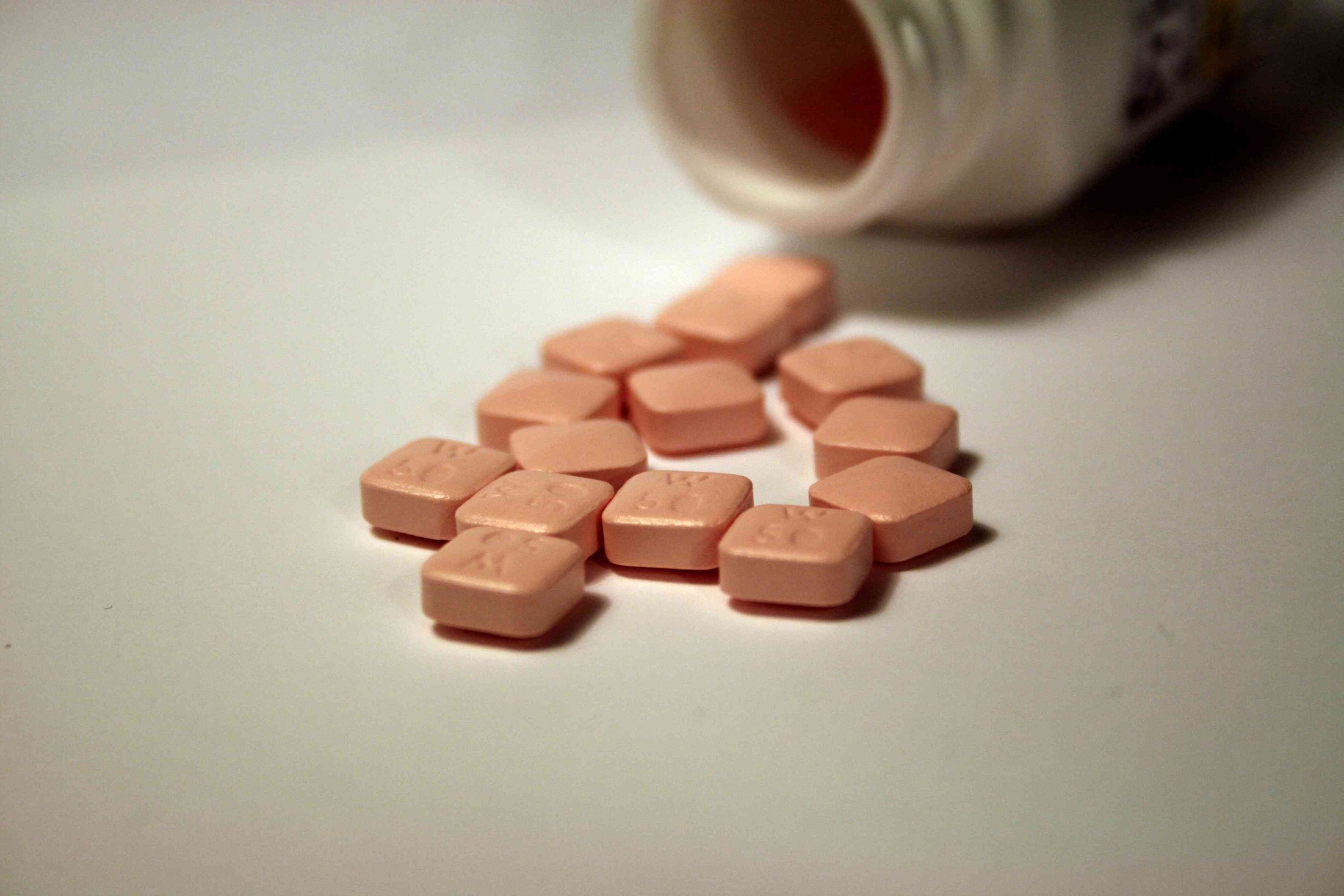
Pristiq (Desvenlafaxine) for Depression
SNRI antidepressant, available throughout the Pacific Northwest
Effexor’s Simpler Cousin
SNRI that works on serotonin and norepinephrine.
One simple dose.
SSRIS (Zoloft, Prozac)
Work On:
SEROTONIN only
Good for depression and anxiety
PRISTIQ (SNRI)
Work On:
SEROTONIN + norepinephrine
Better for depression with low energy
Why PRISTIQ OVER EFFEXOR (another SNRI)?
Pristiq is actually Effexor’s active metabolite. Simpler dosing (50mg = standard dose), fewer drug interactions.
Side effects similar to SSRIs: nausea, sexual dysfunction, sweating, possible blood pressure increase.
Can help energy/motivation more than SSRIs Discontinuation syndrome is REAL- don’t stop cold turkey.
EFFEXOR'S SIMPLER COUSIN
SNRI that works on serotonin AND norepinephrine. Pristiq is Effexor's active metabolite - simpler dosing, fewer drug interactions. Standard 50mg dose for most people. Better for depression with low energy/motivation than SSRIs. Nausea common. Discontinuation syndrome is REAL - taper slowly.
What It Is
Pristiq (desvenlafaxine) is an SNRI (serotonin-norepinephrine reuptake inhibitor) approved for major depressive disorder. It's actually the active metabolite of Effexor (venlafaxine), which is another SNRI. Think of it as Effexor's simplified cousin.
Comes in extended release tablets: 25mg, 50mg, 100mg. Standard dose is 50mg daily. Unlike some antidepressants where you start low and titrate up, most people just start at 50mg and stay there.
What It Does
Pristiq increases both serotonin and norepinephrine in your brain by blocking their reuptake. SSRIs only work on serotonin. SNRIs work on serotonin and norepinephrine, which can be helpful for depression that involves low energy and motivation along with low mood.
Helps with depression, improves energy and focus, can help with physical symptoms of depression (pain, fatigue). The norepinephrine component can give it a slightly more activating effect compared to SSRIs.
How It Works
Desvenlafaxine blocks the reuptake of both serotonin and norepinephrine. Your brain releases these neurotransmitters, Pristiq prevents them from getting vacuumed back up too quickly, more stays available in the synapses. Over time this helps regulate mood, energy, and motivation.
The balance between serotonin and norepinephrine effects varies by dose. At 50mg (standard dose), it works on both pretty evenly. Higher doses tend to have more norepinephrine activity.
What It Feels Like When It's Working
Depression lifts gradually. You have more energy, motivation improves, things feel less overwhelming. Some people describe it as having their drive back, not just feeling less sad.
The norepinephrine component can help with focus and mental clarity in addition to mood. Some people find SNRIs help with the physical lethargy of depression better than SSRIs do.
Like all antidepressants, the effects are gradual. You're not going to wake up one day suddenly better. It's a slow improvement over several weeks.
Side Effects
Nausea is extremely common when starting, especially in the first week or two. Taking it with food helps. Usually improves after the initial adjustment period.
Sexual side effects are common, similar to SSRIs. Decreased libido, difficulty with arousal, delayed orgasm. Not everyone gets these but they're frequent enough to discuss before starting.
Increased sweating is weirdly common with SNRIs. You might just sweat more than usual for no apparent reason.
Blood pressure can increase, particularly at higher doses. Your provider should monitor this.
Insomnia or sleep disturbances can happen. Some people find SNRIs more activating than SSRIs.
Dry mouth, constipation, headache are all possible.
Discontinuation syndrome is real and can be rough. Brain zaps, dizziness, flu-like symptoms, mood changes if you stop suddenly. You need to taper slowly.
What It Looks Like When It's Not Working
You've been at 50mg for 6-8 weeks and your depression hasn't improved. You're still struggling with low mood, low energy, same symptoms that brought you to treatment.
Or maybe it helped some but not enough, and increasing the dose didn't make a difference.
Or the side effects are rough enough that any benefit isn't worth how you feel.
Sometimes Pristiq just isn't the right medication for your particular depression. Different antidepressants work for different people even within the same class.
Timeline for Noticing Effects
Antidepressants take time. You might notice some changes in energy or sleep within the first couple weeks, but mood improvement typically takes 4-6 weeks at therapeutic dose.
If you're at 50mg for 8 weeks and seeing no improvement, Pristiq probably isn't going to work for you.
Some side effects (nausea, initial activation) show up immediately but often improve after the first few weeks as your body adjusts.
Real Talk About Pristiq in the Pacific Northwest
Pristiq is basically a cleaner version of Effexor. Effexor (venlafaxine) gets metabolized into desvenlafaxine (Pristiq) in your body. By taking Pristiq directly, you skip that metabolization step. This means more predictable dosing and fewer drug interactions.
The standard 50mg dose works for most people. Unlike Effexor where you often need to find the right dose through trial and error, Pristiq is simpler. 50mg is the target, some people need 100mg, done.
Generic desvenlafaxine is available and significantly cheaper than brand name Pristiq. Insurance almost always requires generic first.
The sweating thing is real. Some people on SNRIs just sweat more. It's annoying but not dangerous. Changing deodorant or using clinical strength antiperspirant can help but doesn't always solve it.
Blood pressure increase is more common with SNRIs than SSRIs. If you already have high blood pressure, your provider needs to monitor this carefully. For most people it's not a problem but it's worth watching.
SNRIs can be helpful for people whose depression involves a lot of physical symptoms (pain, fatigue, low energy) or for people who've tried SSRIs and found them too sedating or not effective enough.
Our team throughout Oregon and Washington (Portland, Eugene, Salem, Spokane, Vancouver, Bellingham) prescribes Pristiq fairly often, particularly for people who need something more activating than an SSRI or who didn't respond well to SSRIs.
Discontinuation syndrome can be brutal with SNRIs. If you want to stop taking Pristiq, work with your provider to taper slowly. Don't just quit cold turkey or you'll have a miserable week or two of brain zaps and dizziness.
Mixing Pristiq with other serotonergic medications (other antidepressants, certain migraine medications, St. John's Wort) can increase risk of serotonin syndrome, which is dangerous. Make sure your provider knows everything you're taking.
Depression Treatment Throughout Oregon and Washington
LiveWell Psychiatry and Men's Health provides depression treatment throughout Oregon and Washington, including Portland metro, Vancouver and Clark County, Salem, Eugene, Corvallis, Bend, Spokane, Tri-Cities, and surrounding communities. If you're dealing with depression, particularly if SSRIs haven't worked well or if your depression involves significant low energy and motivation issues, we can evaluate whether Pristiq or another approach makes sense.
Pristiq is a solid SNRI option. Simpler dosing than Effexor, works on both serotonin and norepinephrine, can be helpful for depression with low energy and motivation. Standard side effects for the class, nothing surprising. For people who need something more than an SSRI offers or who didn't respond to SSRIs, it's worth trying.