
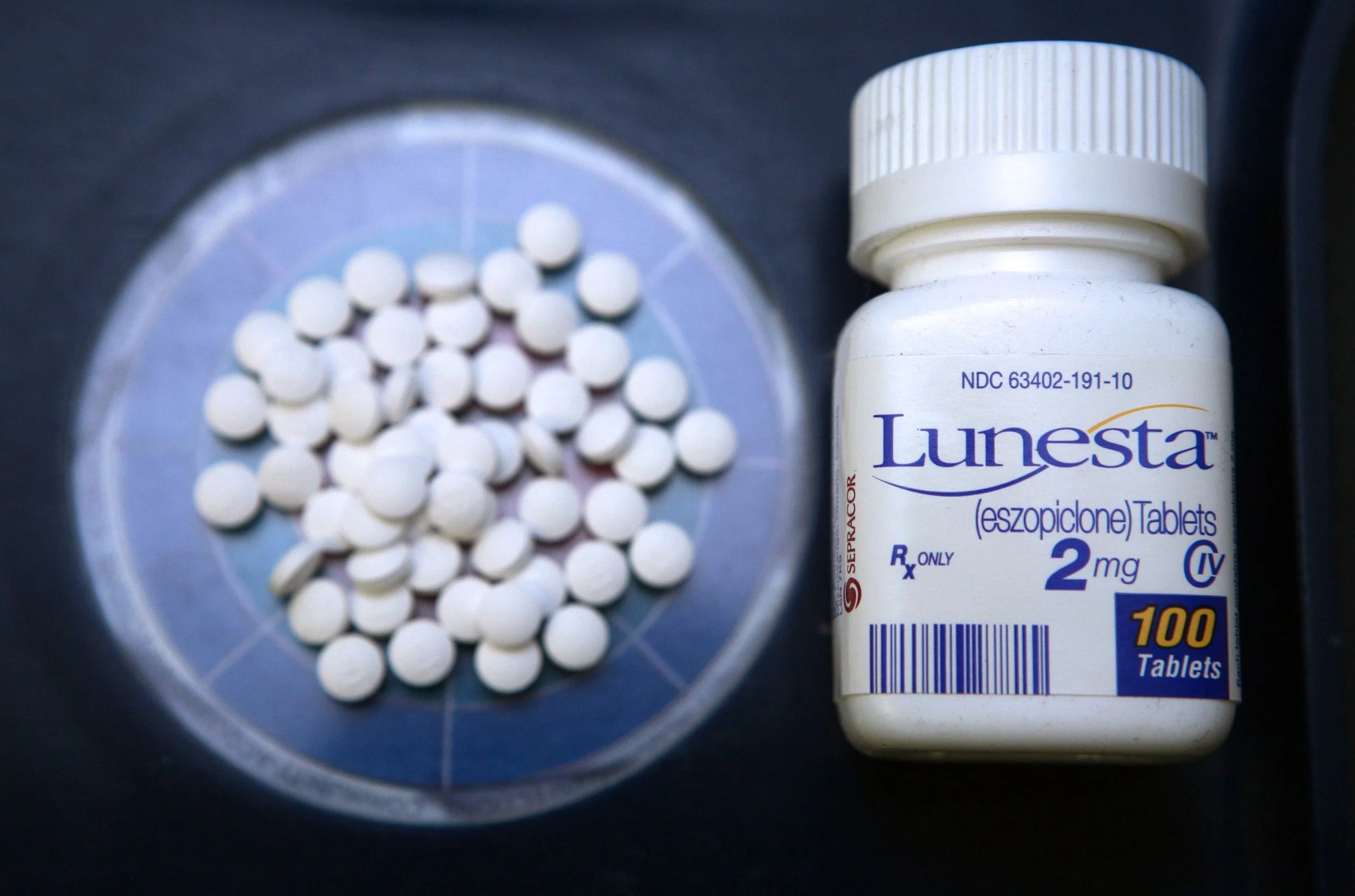
Lunesta for Insomnia in Oregon and Washington
Sleep medication available throughout the Pacific Northwest
Lunesta: Ambien’s Slightly Less Chaotic Cousin
Same family, lasts longer, tastes like pennies for some reason
AMBIEN
Lasts: 6–8 hours
Half-life: 2–3 hours
Side effects:
Ambien walrus amnesia
sleep-shopping
Taste: Normal
LUNESTA
Lasts: 7–9 hours
Half-life: 6 hours
Side effects:
Less amnesia/weird behavior (but still possible)
Taste: Metallic AF
THE LUNESTA EXPERIENCE
Works well, lasts longer than Ambien, slightly less amnesia risk
BUT: Prepare for your mouth to taste like you’re sucking on pennies
Metallic taste is EXTREMELY common and kind of unavoidable
AMBIEN'S SLIGHTLY LESS CHAOTIC COUSIN
Lunesta lasts longer (7-9 hrs vs 6-8), less amnesia/weird behavior risk than Ambien. BUT: prepare for your mouth to taste like you're sucking on pennies. Metallic taste is EXTREMELY common. Works well, just tastes weird.
What It Is
Lunesta (eszopiclone) is a non-benzodiazepine sleep medication, FDA approved for insomnia. It's in the same general family as Ambien, sometimes called "Z-drugs." Controlled substance (Schedule IV) but designed to have less abuse potential than benzodiazepines.
Comes in 1mg, 2mg, and 3mg tablets. Most people end up on 2mg or 3mg.
What It Does
Lunesta helps you fall asleep and stay asleep. Unlike Ambien which is mainly for sleep onset, Lunesta lasts longer and is supposed to help with both falling asleep and staying asleep through the night.
Works on GABA receptors in your brain to promote sleep. Takes effect within 30 minutes to an hour. Lasts 7 to 9 hours typically, which is longer than Ambien's 6 to 8 hours.
How It Works
Eszopiclone enhances the activity of GABA, your brain's main inhibitory neurotransmitter. By boosting GABA activity, it reduces neural activity and promotes sleep. It's selective for certain subtypes of GABA receptors, which is why it's considered a "cleaner" sleep medication compared to older drugs like benzodiazepines.
Has a half-life of about 6 hours, which is longer than Ambien. This means it stays in your system longer, which helps with staying asleep but also means slightly more risk of next-day grogginess.
What It Feels Like When It's Working
You take it before bed, within 30 to 60 minutes you start feeling drowsy and relaxed. Your thoughts slow down, you get in bed, and you fall asleep. Unlike Ambien you're less likely to do weird shit if you stay up after taking it, but you still shouldn't.
Most people sleep through the night or close to it. When you wake up, hopefully you feel rested rather than drugged.
The metallic taste though. We need to talk about that.
The Metallic Taste Issue
Lunesta causes a metallic or bitter taste in your mouth that a lot of people find extremely annoying. It's not dangerous, just unpleasant. Your mouth tastes like you've been sucking on pennies. Some people get this side effect, some don't, but it's common enough that it's worth knowing about before you start.
The taste can last into the next day for some people. Brushing your teeth, chewing gum, drinking water can help a little but doesn't always make it go away completely.
For some people this side effect is tolerable. For others it's a dealbreaker. If you can't stand the taste, there are other sleep medications that don't have this particular problem.
Common Side Effects
Metallic taste, as discussed. Extremely common.
Drowsiness and dizziness, particularly if you don't get a full 7-8 hours of sleep or if you're still adjusting to the medication.
Headache can happen.
Dry mouth is fairly common.
Unpleasant taste (beyond just metallic, some people describe it as bitter or chemical).
Next-day grogginess is possible, especially at higher doses or if you don't get enough sleep.
Some people experience changes in memory or behavior while on Lunesta, though generally less dramatic than with Ambien. Still shouldn't be driving or making important decisions right after taking it.
Complex sleep behaviors (sleepwalking, sleep-driving, sleep-eating) are possible but less common than with Ambien. If this happens, stop taking it and tell your provider.
Depression or mood changes are possible. If you notice worsening mood, let your provider know.
What It Looks Like When It's Not Working
You're still lying awake after taking it. Or you fall asleep but wake up multiple times and can't stay asleep. Or you sleep but wake up feeling terrible, not rested.
Sometimes the dose needs adjustment. Sometimes Lunesta just isn't the right medication for your particular insomnia. If anxiety is keeping you awake, you might need something that addresses the anxiety. If your insomnia is from depression or pain or sleep apnea, the sleep medication alone isn't going to fix the underlying problem.
If side effects are rough (especially that metallic taste) or if you're getting next-day impairment, the medication might not be worth it even if it's helping you sleep.
Timeline for Noticing Effects
Lunesta works the first night you take it. You're not waiting weeks for it to build up. Take it, feel sleepy within 30-60 minutes, fall asleep. That's how it should work.
If you're taking it correctly (right before bed, giving yourself 7-8 hours for sleep) and you're not feeling any effect, either the dose is too low or Lunesta isn't going to work for you.
Some people find the side effects improve after the first few days of use. The drowsiness and grogginess might lessen once your body adjusts, though the metallic taste often sticks around if you're going to get it.
Real Talk About Lunesta in the Pacific Northwest
Lunesta is often prescribed when Ambien either didn't work or caused too many problems. It's similar but lasts longer and tends to cause less of the weird amnesia and behavior stuff. Still a Z-drug, still controlled, still potential for dependence, but slightly different profile.
The metallic taste thing is real and it's surprisingly common. It's not dangerous but it can be annoying enough to make people stop taking it. If you start Lunesta and your mouth tastes like coins, that's the eszopiclone, not something you ate.
Like Ambien, this is meant for short-term treatment of insomnia, not permanent use. If you've been taking Lunesta every night for months, something else needs to be addressed. Chronic insomnia has causes (anxiety, depression, medical issues, poor sleep habits) and just medicating the symptom forever isn't fixing anything.
Generic eszopiclone is available and works fine for most people. Significantly cheaper than brand name Lunesta which insurance probably won't cover anyway.
Tolerance can develop with nightly use over time. Your body gets used to it and it stops working as well. Taking breaks or using it intermittently rather than every single night can help prevent this.
Mixing Lunesta with alcohol is dangerous. Both depress your central nervous system. The combination increases risk of respiratory depression, extreme sedation, and doing stupid shit you won't remember. Don't do it.
If you're in Portland, Eugene, Salem, Vancouver, anywhere in Oregon or Washington and you're using Lunesta, follow the instructions. Take it right before bed, give yourself a full night's sleep, don't drive or operatemachinery until you know how it affects you.
Sleep Treatment Throughout Oregon and Washington
LiveWell Psychiatry and Men's Health provides insomnia treatment for patients throughout Oregon and Washington, including Portland metro, Vancouver and Clark County, Salem, Eugene, Corvallis, Bend, Spokane, Tri-Cities, and surrounding communities. If you're dealing with chronic sleep problems, we can evaluate what's actually causing your insomnia and whether Lunesta or another approach makes sense.
Lunesta is a tool for short-term insomnia. It's not fixing the reason you can't sleep, it's just helping you sleep while you work on the actual problem. But for breaking an insomnia cycle or managing occasional sleeplessness, it works. Just prepare for your mouth to taste weird.