
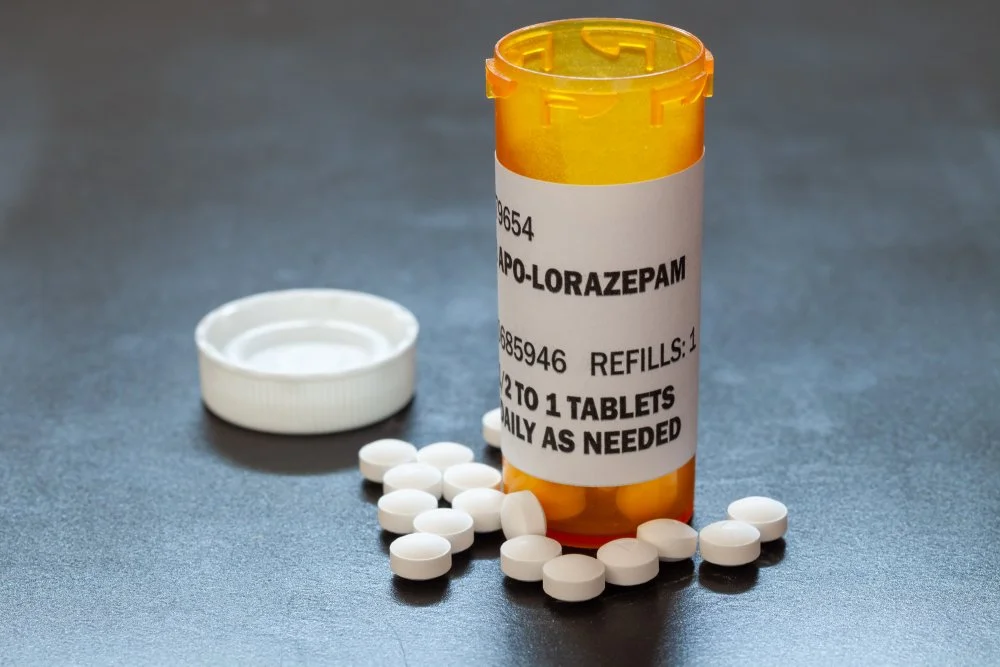
Lorazepam (Ativan) for Anxiety in Oregon and Washington
Benzodiazepine available throughout the Pacific Northwest
Lorazepam (Ativan): Fast-Acting Anxiety Relief
Works in 20–30 minutes. Also: everyone wants it, nobody wants to prescribe it.
THE BENZODIAZEPINE CATCH-22
WHAT IT DOES WELL
Stops panic attacks FAST
Works in 20–30 minutes
Reliably calms you down
Helps acute anxiety when nothing else will
THE PROBLEMS
Tolerance builds fast
Dependence is real
Withdrawal can be dangerous (seizure risk)
Not a long-term solution
Controlled substance = pharmacy hassles
THE REALITY
Benzos work REALLY well for acute anxiety.
That’s why they’re popular.
But they’re not meant for daily use. Tolerance, dependence, and withdrawal make them problematic long-term.
Use sparingly or not at all.
NEVER stop benzos cold turkey after regular use. Withdrawal can kill you.
Taper with medical supervision. This is not optional
THE BENZO CATCH-22
Works REALLY well for acute anxiety (20-30 min). That's why everyone wants it. But tolerance builds fast, dependence is real, and withdrawal can literally kill you (seizure risk). Not a long-term solution. Use sparingly or not at all. NEVER stop cold turkey after regular use - taper with medical supervision.
What It Is
Lorazepam, brand name Ativan, is a benzodiazepine prescribed for anxiety disorders, panic attacks, and sometimes for insomnia. It's a Schedule IV controlled substance, which means the DEA tracks it and pharmacies treat it like you're trying to score drugs even when you have a legitimate prescription.
Comes in tablets (0.5mg, 1mg, 2mg) and as an injectable for medical emergencies. Most people take the tablets for anxiety.
What It Does
Lorazepam works fast to stop acute anxiety and panic. You take it, within 20 to 30 minutes you feel calmer. Your racing thoughts slow down, your heart stops pounding, the physical symptoms of anxiety ease up. It's extremely effective, which is both its selling point and its problem.
Works for panic attacks, severe anxiety episodes, anticipatory anxiety before stressful situations. Some people take it as needed, others take it on a schedule. Neither approach is without risks.
How It Works
Lorazepam enhances the activity of GABA, your brain's main inhibitory neurotransmitter. GABA slows down neural activity, which is why benzos have such strong calming and sedating effects. When you take lorazepam, it basically turns up your brain's brake pedal.
This mechanism is also why benzos are addictive and why withdrawal can be dangerous. Your brain adapts to having the extra GABA activity, and when you remove it suddenly, neural activity can spike dangerously high (seizures, potentially fatal withdrawal).
What It Feels Like When It's Working
Anxiety melts away. The constant buzzing tension in your chest eases. Your thoughts become less frantic. You feel relaxed, sometimes sleepy. If you're having a panic attack, it stops it dead in its tracks within 20 to 30 minutes.
The relief is real and it's powerful, which is why people love benzos and also why they're problematic. When something works that well that fast, your brain wants more of it.
Common Side Effects
Drowsiness and sedation are common, especially when you first start or if you take a higher dose.
Dizziness and impaired coordination. Don't drive or operate machinery until you know how it affects you.
Memory problems, particularly short-term memory and forming new memories while the drug is active. Some people have gaps in their memory for hours after taking lorazepam.
Confusion or brain fog, especially in older adults.
Slowed reflexes and reaction time.
Some people feel emotionally flat or disconnected while on benzos.
Paradoxical reactions are rare but possible. Some people (especially kids and elderly) become more anxious, agitated, or aggressive on benzos instead of calmer.
The Real Problem: Tolerance and Dependence
Here's what makes benzos tricky. They work really well at first. But tolerance builds fast. What calmed your anxiety at 0.5mg stops working, so you need 1mg. Then that stops working. Then you need 2mg. This escalation happens faster than with most medications.
Physical dependence develops with regular use. Your body adapts to having the benzo present. When you try to stop or reduce the dose, you experience withdrawal. Benzo withdrawal is one of the few drug withdrawals that can actually kill you (alcohol withdrawal is the other main one).
Withdrawal symptoms can include severe anxiety (worse than what you started with), panic attacks, tremors, sweating, insomnia, seizures. The seizure risk is real and it's serious. This is why you never, ever stop benzos cold turkey after taking them regularly. You have to taper slowly under medical supervision.
Even short-term use (a few weeks) can lead to dependence in some people. Long-term daily use virtually guarantees it.
What It Looks Like When It's Not Working
You're taking lorazepam and your anxiety is still out of control. Or it worked at first but doesn't anymore (tolerance). Or you're taking it regularly and you feel terrible when you try to skip a dose (dependence).
Sometimes the dose needs adjustment but that's a slippery slope. Sometimes lorazepam isn't the right medication for your type of anxiety. Sometimes you need therapy or lifestyle changes or treatment for underlying depression, not just a pill that temporarily calms you down.
Timeline for Noticing Effects
Lorazepam works immediately. Peak effects happen within 1 to 2 hours. Effects last about 6 to 8 hours typically.
If you're taking it for a panic attack, you should feel relief within 20 to 30 minutes. If you're not, the dose might be too low or something else is going on.
For chronic anxiety, taking lorazepam regularly will control symptoms as long as tolerance doesn't develop. But this isn't a long-term solution.
Real Talk About Benzos in the Pacific Northwest
Lorazepam and other benzos are in a weird position. They work really well for acute anxiety and panic. They're sometimes necessary for breaking severe anxiety cycles or managing panic disorder short-term. But they're also overprescribed, tolerance and dependence are real problems, and long-term use causes more problems than it solves for most people.
A lot of providers are reluctant to prescribe benzos these days because of the addiction and dependence risks. Others prescribe them too freely without adequate discussion of risks. The truth is somewhere in the middle: they're useful tools that need to be used carefully and sparingly.
If you're using lorazepam more than a couple times a week, you need to be thinking about whether this is sustainable. Daily benzo use leads to dependence. That's not a moral failing, that's pharmacology. Your brain adapts to the drug and stopping becomes difficult and potentially dangerous.
The pharmacy hassles are real. Because it's a controlled substance, you can't get refills called in early, you can't transfer prescriptions between pharmacies easily, and some pharmacists will treat you like a drug seeker even when you have a legitimate prescription. It's annoying but it's the reality of controlled substance regulations.
Around Portland, Eugene, Salem, Vancouver, Spokane, throughout Oregon and Washington, we see people struggling with benzo dependence who started taking them for legitimate anxiety and now can't get off them safely. The withdrawal is miserable and has to be done slowly. Some people are on benzos for years because getting off them is too hard.
If you have chronic anxiety that needs daily medication, SSRIs or other antidepressants are usually a better long-term option. They don't work as fast but they don't cause dependence and they actually treat anxiety rather than just suppressing it temporarily.
Mixing benzos with alcohol is dangerous. Both depress your central nervous system and the combination can cause respiratory depression, loss of consciousness, and death. Don't do it.
Benzos and opioids together is an even worse combination. The overdose risk is extremely high. If you're on any kind of opioid pain medication, your provider needs to know before prescribing a benzo.
When Benzos Make Sense
Short-term use for severe panic attacks while you're starting therapy or other treatment. As-needed use for specific high-anxiety situations (flying, medical procedures, whatever). Short-term use during a crisis while you stabilize.
What doesn't make sense: daily use for months or years to manage chronic anxiety. That's dependence waiting to happen, and when you eventually try to stop, the withdrawal will be worse than the original anxiety.
Anxiety Treatment Throughout Oregon and Washington
LiveWell Psychiatry and Men's Health provides anxiety treatment for patients throughout Oregon and Washington, including Portland metro, Vancouver and Clark County, Salem, Eugene, Corvallis, Bend, Spokane, Tri-Cities, and surrounding communities. If you're dealing with anxiety or panic, we can evaluate whether lorazepam, other medications, therapy, or a combination approach makes sense for your situation.
Lorazepam works. That's both its strength and its danger. Use it carefully, use it sparingly, and have a plan for what you're actually doing about your anxiety long-term instead of just medicating it away temporarily with benzos.