
Guanfacine (Intuniv) for ADHD in Oregon and Washington
Non-stimulant ADHD medication, available throughout the Pacific Northwest
Guanfacine (Intuniv): The Non-Stimulant ADHD Option
For ADHD when stimulants aren’t working or aren’t an option
STIMULANTS
Work immediately
Very effective
BUT:
Controlled substance, can worsen anxiety
GUANFACINE
Takes weeks to work
Less effective overall
BUT:
Not controlled
Can help anxiety
Lasts 24 hours
Main side effect: Lowered blood pressure = dizziness, fatigue, drowsiness
Start low, increase slowly. Not as strong as stimulants but doesn’t have their risks.
NON-STIMULANT ADHD OPTION
For ADHD when stimulants don't work or aren't an option. Not as effective as stimulants for most people, but non-addictive, not controlled, lasts 24 hours. Can help anxiety too (stimulants often make it worse). Main side effect: drowsiness, fatigue, dizziness from lowered blood pressure. Takes weeks to work.
WHEN GUANFACINE MAKES SENSE:
Stimulants didn’t work or caused bad side effects
Substance use history (can’t take controlled substances)
ADHD + anxiety (stimulants make anxiety worse)
What It Is
Guanfacine extended release (brand name Intuniv) is a non-stimulant medication approved for ADHD. It's not a first-line treatment like stimulants are, but it's an option when stimulants don't work, cause unacceptable side effects, or can't be used due to substance use history.
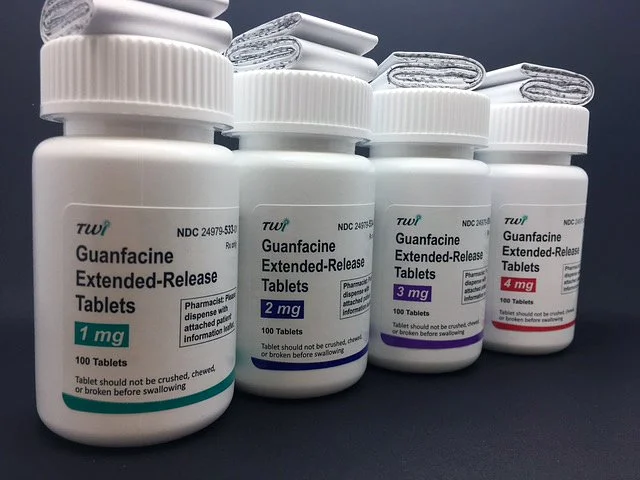
Comes in extended release tablets: 1mg, 2mg, 3mg, 4mg. Typical doses range from 1-4mg daily. You start low and increase gradually.
There's also immediate release guanfacine (Tenex) which was originally approved for high blood pressure and is sometimes used off-label for ADHD. Most providers prescribe the extended release version (Intuniv) for ADHD.
What It Does
Guanfacine helps with ADHD symptoms: improves focus and attention, reduces impulsivity and hyperactivity. It's not as effective as stimulants for most people, but it works well enough for some and it doesn't have the same risks or restrictions as controlled substances.
Can also help with anxiety, which is useful when someone has both ADHD and anxiety. Stimulants often make anxiety worse, guanfacine can help both.
How It Works
Guanfacine is an alpha-2 adrenergic agonist. It affects norepinephrine activity in your prefrontal cortex, the part of your brain involved in attention, impulse control, and executive function.
By stimulating alpha-2 receptors, it strengthens communication in the prefrontal cortex networks that help with attention and impulse control. Different mechanism than stimulants, which work on dopamine primarily.
What It Feels Like When It's Working
Focus improves gradually. You're able to stick with tasks longer, less easily distracted. Impulsivity decreases. The constant mental restlessness might calm down a bit.
It's not as dramatic as stimulants. Stimulants work immediately and you feel the difference within an hour. Guanfacine is subtle and builds over weeks. You look back after a month and realize you're doing better, but there's no obvious "it kicked in" moment.
For people with anxiety along with ADHD, guanfacine can help both. You might feel calmer overall in addition to having better focus.
Side Effects
Drowsiness and fatigue are extremely common, especially when starting or increasing dose. This is why it's usually taken at bedtime. Even taken at night, some people feel groggy during the day.
Low blood pressure and slow heart rate are expected since guanfacine was originally a blood pressure medication. This causes dizziness, particularly when standing up quickly. Some people feel lightheaded or woozy.
Dry mouth is common.
Headache can happen, especially in the first few weeks.
Stomach aches or nausea are possible.
Irritability or mood changes can occur, particularly in kids but also in adults.
If you stop guanfacine suddenly, blood pressure can spike (rebound hypertension). You need to taper off gradually even though it's not addictive.
What It Looks Like When It's Not Working
You've been at therapeutic dose for 4-6 weeks and your ADHD symptoms are just as bad. You're still struggling with focus, attention, impulsivity, all the reasons you needed medication in the first place.
Or the side effects (drowsiness, dizziness, fatigue) are so rough that even if it's helping your ADHD a little, you can't function.
Sometimes the dose needs adjustment. Sometimes guanfacine just isn't effective enough for your level of ADHD. For a lot of people, stimulants work significantly better and guanfacine is a compromise option when stimulants aren't available.
Timeline for Noticing Effects
Guanfacine takes time to work, unlike stimulants which work immediately. You might notice some changes within the first week or two, but full effects usually take 4-6 weeks at therapeutic dose.
This is frustrating for people used to stimulants where you take it and know within an hour whether it's working. With guanfacine, you're playing the long game.
Side effects like drowsiness and dizziness often show up immediately but usually improve as your body adjusts over the first few weeks.
Real Talk About Guanfacine in the Pacific Northwest
Guanfacine is prescribed when stimulants aren't an option. Maybe stimulants caused too much anxiety, or you have a substance use history and can't take controlled substances, or you tried multiple stimulants and they didn't work. Guanfacine is the fallback option.
It's not as effective as stimulants for most people. Let's be clear about that. If stimulants work for you and you can tolerate them, they're almost always more effective. Guanfacine is what you try when stimulants aren't working or aren't an option.
That said, for some people guanfacine works well enough. Particularly for people with mild ADHD, or people who have both ADHD and anxiety where stimulants make the anxiety worse.
The drowsiness is a real problem. A lot of people can't tolerate guanfacine during the day because it makes them too tired to function. Taking it at bedtime helps with this but some people still feel groggy the next day.
Not a controlled substance, which means no DEA oversight, no pharmacy hassles, easier to prescribe and fill. For people with substance use history or for providers who are uncomfortable prescribing stimulants, this is a huge benefit.
Generic guanfacine ER is available and much cheaper than brand name Intuniv. Insurance usually covers it without much hassle.
Our team throughout Oregon and Washington (Portland, Eugene, Salem, Spokane, Vancouver, Bellingham, Corvallis, Tri-Cities) prescribes guanfacine fairly often, particularly for people who can't take stimulants or as an add-on to stimulants for people who need additional symptom control.
Some people take guanfacine along with a stimulant. The stimulant handles focus and attention during the day, guanfacine helps with anxiety and provides some 24-hour coverage. This combination can work well for the right person.
Lasts all day (24 hours) which is nice compared to stimulants that wear off. You're not dealing with rebound symptoms in the evening or worrying about when to take your second dose.
If you need to stop taking guanfacine, taper slowly under your provider's supervision. Don't just quit cold turkey or your blood pressure can spike, which can be dangerous.
ADHD Treatment Throughout Oregon and Washington
LiveWell Psychiatry and Men's Health provides ADHD treatment throughout Oregon and Washington, including Portland metro, Vancouver and Clark County, Salem, Eugene, Corvallis, Bend, Spokane, Tri-Cities, and surrounding communities. If you're dealing with ADHD and stimulants aren't working or aren't an option, we can evaluate whether guanfacine or another approach makes sense for your situation.
Guanfacine is a useful option for ADHD when stimulants aren't working out. It's not as effective for most people but it's non-addictive, lasts all day, can help with anxiety, and doesn't have the controlled substance hassles. The drowsiness and blood pressure effects can be problems, but for the right person in the right situation, it's a solid choice.